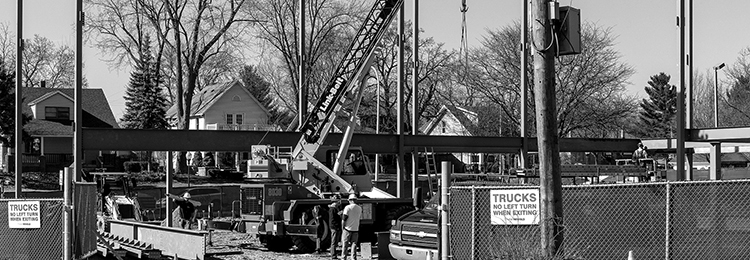
Cranes are one of the most mission-critical machines in construction. Their presence on job-sites allows contractors to lift and move heavy fundamental materials like steel beams, concrete panels, industrial machinery, and more so that teams aren’t stopped by extreme heights or excessive loads.
Still, it’s true what they say: with great power comes great responsibility. And anytime cranes are present on a job-site, it’s important to be mindful of the safety considerations that need to accompany them. We talked with Builders Mutual’s own Jason Herrington, Risk Management Consultant, to get a better understanding of ideal crane safety protocol and why it matters.
Top Considerations for Crane Safety
1. General Job-Site Awareness
As with any advanced machinery, education is incredibly important for crane usage. Only certified operators should ever be left in charge. Beyond the operator, it’s always safest to assume others don’t have a lot of crane exposure––or knowledge. Other contractors on the job, such as electricians or plumbers, can benefit from some general tips passed on at site-wide meetings, so they can be mindful of not walking under live loads and maintaining necessary swing radius.
2. Proper Setup
Safety starts at setup. As soon as cranes arrive on the job-site, it’s critical to ensure they’re placed on level ground. Additionally, operators should be made immediately aware of each particular crane’s lift limits. As work begins, teams will need to establish a swing radius and mark it off with danger tape.
3. Operator-Signal Person Communication
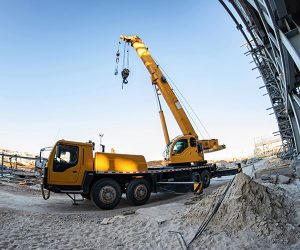
Between paying attention to the work at hand and monitoring surroundings, there’s a lot to keep track of while you’re operating a crane. That’s where teamwork comes in. Signal persons support crane operators, acting as their eyes on ears during heavy load lifts and using a combination of established hand signals and radios to convey commands. Keeping their line of communication clear and open is imperative to avoid accidents and collisions.
4. Proactive Lift Plans
Nobody needs to be figuring out what to do with a heavy load mid-lift. Before anyone is operating a crane, contractors should establish a thorough lift plan. This could include calculating different loads, mapping out a load’s path, assessing power line risks, clearing the work area, and more. Working through the details ahead of time helps ensure that safety is being considered in-depth, every step of the way.
5. Ongoing Machine Maintenance
Machines need to be well taken care of to function properly. To keep cranes working safely and dependably, it’s important to inspect them regularly. That means inspecting cranes, to different degrees, when they first arrive on the job site, at the start of every day, and at each shift change. Following crane manuals and keeping up with recommended upkeep also sets operators up for success.
6. Daily Weather Monitoring
Construction takes place year-round, but cranes aren’t safe in all types of weather. Supervisors shouldn’t hesitate to postpone work in high winds, or if lightning is within a certain radius (typically 10-15 miles) of the job-site. Setting limitations around weather prevents unnecessary accidents.
No matter what equipment you’re working with, our team is dedicated to helping you work safer––and smarter. We’re always here to walk your job-site with you, suggest areas for improvement, and help you maximize safety, day in and day out. Contact your Risk Management Consultant today to learn more about how we can partner together to protect your contractors, equipment, and bottom line.



 Find an