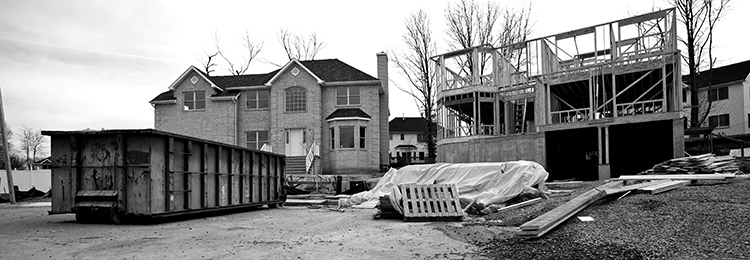
You don’t have to be on a job-site long to recognize cleanliness is about more than just appearances. It also relates to quality, efficiency, and safety. Instead of thinking of housekeeping as an afterthought, we’d encourage contractors to think of it as the foundation for everything they’re building. A clean job-site is a clean slate for success. Recently, Connor Sweeney, Risk Management Consultant at Builders Mutual, gave us more insight about why job-site cleanliness matters and how contractors can keep up with it, effectively.
Understanding the Cleanliness-Safety Connection
An overwhelming amount of insurance claims are the result of incidents that could have been prevented with a little preparation, organization, and extra attention to the details. Keeping your job-site clean is an imperative part of keeping it under control––and it starts from the top down. Management should strive to set the example and expectation that housekeeping is a priority. Maintaining a clean job-site helps eliminate unnecessary hazards and minimize everyday risks such as tripping, falling debris, nail/screw injuries, and more.
Practical Job-Site Cleanliness Tips
Upholding high standards of cleanliness is a team effort. Here are some tips contractors can use to make housekeeping feel more empowering and less overwhelming.
1. Assign responsibility
At any given time, there’s a lot going on at the job-site. Expecting one person to keep things spic and span isn’t necessarily realistic. Instead, delegate different tasks or areas to different people. For example, one contractor might be responsible for clearing the ground of any debris while another might be responsible for making sure tools are put back in their proper place at the end of a shift. Dividing and conquering responsibilities makes them more manageable.
2. Schedule routine cleanups and walkthroughs 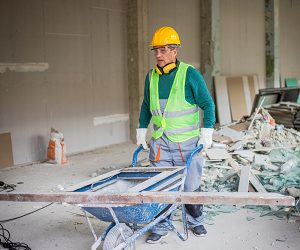
Contractors are busy––so if cleaning up isn’t formally on their to-do list, they might not make the time. Make tidiness a habit by scheduling routine cleanups during shift changes and at the end of the day, while also scheduling regular walkthroughs to keep crews accountable.
3. Prioritize signage
With a lot of contractors coming on and off the job-site, not everyone knows where things go. The right signage can help inform, instruct, and encourage people to put things (like tools or trash) where they need to go, ultimately adding up to a cleaner work area.
4. Designate places for waste
If you don’t provide contractors with an obvious and convenient place to put trash, it can end up anywhere, including somewhere that puts others at risk. Make sure to have designated places for waste disposal throughout your job-site.
5. Keep paths clear
Some areas are more prone to problems than others. If there’s a path that contractors use over and over again throughout the day (such as a stairwell or a busy section of the job-site) it’s important to pay extra attention to any clutter that might impact safety. This includes cords, too. Consider using cones or caution tape to emphasize the importance of common thoroughfares. Then, run cords along those and/or put them under a liftable plastic covering so people can go about their jobs, safely.
6. Extend high standards, everywhere
Remember that housekeeping isn’t limited to the grounds of the job-site. Machinery, vehicles, and meeting spaces should be held to the same standards.
7. Use positive reinforcement
To ensure everyone knows that job-site cleanliness is an ongoing priority, make sure to call it out on particularly successful days or shifts. Also, don’t be afraid to highlight it during educational meetings. This will help to create a culture that values and celebrates organization.
The most successful contractors are the ones who take every part of the job seriously, including cleanliness. As you continuously evaluate the standards and procedures of your job-site, we’re here to help. Contact your Risk Management Consultant today to learn more about how we can guide you in setting a foundation of cleanliness and safety, every day, on every project.



 Find an